 By
By 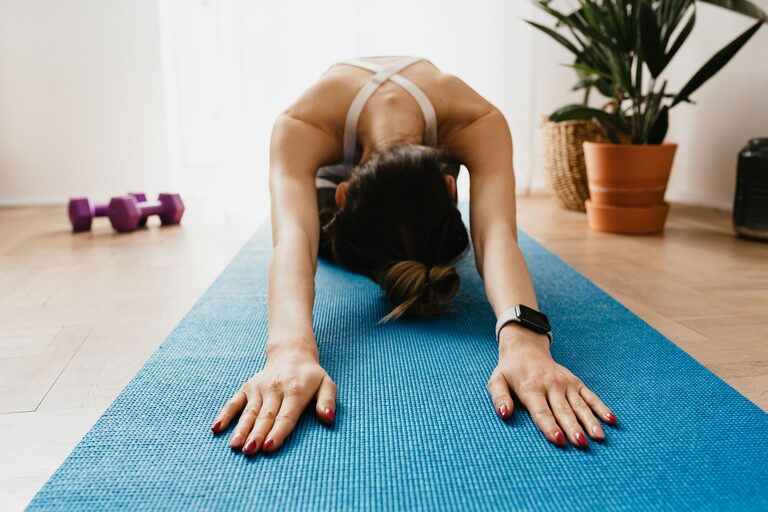
Stretching is a simple and effective way to improve your overall health, increase flexibility, and reduce muscle tension—all without needing special equipment or a gym membership. Whether you’re new to exercising or looking for a gentle way to move more, stretching at home can be a great addition to your routine. In this beginner’s guide, we’ll cover everything you need to know to get started safely and confidently.
Why Stretching Matters
Stretching helps maintain your muscles’ natural range of motion. Over time, tight muscles can limit your movements and contribute to discomfort or injury. Regular stretching can:
– Increase flexibility and mobility
– Enhance circulation
– Reduce muscle stiffness and soreness
– Improve posture
– Help you relax and reduce stress
You don’t need to spend hours to feel the benefits—just a few minutes a day can make a noticeable difference.
How to Prepare for Stretching at Home
Before you start, create a comfortable space where you can move freely. Here are some tips to get ready:
– Choose a quiet, open area: A living room, bedroom, or even a spot in your backyard can work.
– Wear comfortable clothing: Loose clothes or workout wear allow you to stretch without restrictions.
– Use a yoga mat or soft surface: This provides cushioning for your joints.
– Warm up your body: Stretching cold muscles can lead to injury. Try walking around for 3-5 minutes or doing gentle movements like shoulder rolls or marching in place.
Basic Guidelines for Safe Stretching
To get the most out of your stretching routine while avoiding injury, keep these tips in mind:
– Stretch gently and slowly: Avoid bouncing or forcing your body.
– Hold each stretch for 15-30 seconds: This duration allows muscles to relax and lengthen.
– Breathe deeply: Inhale and exhale slowly to help relax your body.
– Listen to your body: Stretching should feel good, not painful. Ease off if you feel sharp or intense pain.
– Stretch both sides: Keep your body balanced by stretching the left and right equally.
Beginner-Friendly Stretches to Try at Home
Here are some basic stretches to get started. Perform each stretch 1-2 times per session.
1. Neck Stretch
– Sit or stand tall.
– Slowly tilt your head toward your right shoulder until you feel a gentle stretch on the left side of your neck.
– Hold, then switch sides.
2. Shoulder Stretch
– Extend your right arm across your chest.
– Use your left hand to gently press your arm closer to your body.
– Hold, then switch arms.
3. Chest Opener
– Clasp your hands behind your back.
– Straighten your arms and lift your chest slightly while squeezing your shoulder blades together.
– Hold this position to stretch the chest area.
4. Seated Forward Bend
– Sit on the floor with your legs straight in front of you.
– Slowly reach forward toward your toes, keeping your back straight.
– Stop when you feel a stretch along your hamstrings.
– Hold and breathe deeply.
5. Cat-Cow Stretch (Spinal Mobilizer)
– Get on all fours with your wrists under shoulders, knees under hips.
– Inhale, arch your back, lifting your chest and tailbone (Cow).
– Exhale, round your back, tucking your chin and tailbone (Cat).
– Repeat this movement slowly several times.
6. Butterfly Stretch
– Sit with your feet together and knees bent outward.
– Hold your feet with your hands and gently press your knees toward the floor with your elbows.
– Hold the stretch in your inner thighs.
7. Standing Quadriceps Stretch
– Stand on your left leg.
– Bend your right knee, bringing your heel toward your buttocks.
– Hold your right ankle with your right hand to feel the stretch in the front of your thigh.
– Keep your knees close together.
– Hold, then switch legs.
Tips for Making Stretching a Habit
Consistency is key when learning any new routine. Here are ways to keep your stretching practice enjoyable:
– Set a regular time: Stretch in the morning, during a lunch break, or before bed.
– Combine with other activities: Stretch after a walk or workout for better recovery.
– Use reminders: Set a phone alarm or place a note where you’ll see it.
– Listen to music or podcasts: This can make stretching more relaxing and fun.
– Track your progress: Notice improvements in flexibility and how your body feels over time.
When to Avoid Stretching or Be Cautious
While stretching is generally safe, you should avoid or modify stretches in certain situations:
– If you have an injury or condition, such as a muscle tear or joint inflammation, consult a healthcare professional before stretching.
– Avoid stretching cold muscles; always warm up first.
– Do not stretch through sharp or sudden pain.
– Pregnant individuals should seek guidance on safe stretches.
Final Thoughts
Stretching at home is a simple, low-cost way to boost your health and well-being. By following these beginner tips and making it a regular habit, you can enjoy improved flexibility, reduced tension, and a greater sense of relaxation. Remember to be patient with your body—progress takes time, but every stretch counts!
Feel free to bookmark this guide and come back whenever you need a refresher on your stretching routine. Happy stretching!